Ohara Font: A Bold, Playful Display Typeface for Creative Projects
Looking for a font that commands attention while radiating warmth and energy? Meet Ohara Font — a thick, bold display typeface designed to make statements, not whispers. Whether you're crafting birthday invitations for a five-year-old, designing an Instagram story for a preschool brand, or printing a vibrant festival banner, Ohara delivers visual impact with unmistakable charm. In this guide, we’ll explore what makes Ohara unique, where it shines most, and how to use it effectively — all while keeping your designs accessible, on-brand, and engaging.
What Is Ohara Font?
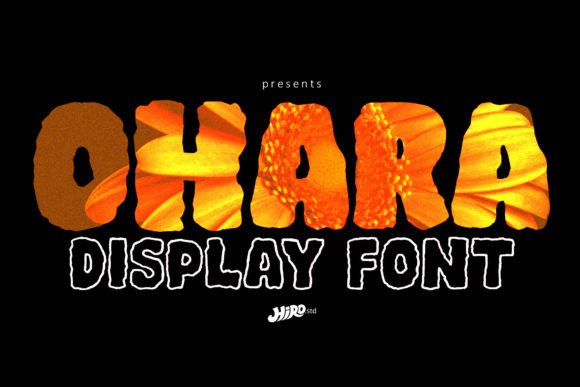
Ohara is a modern display font — meaning it’s intentionally crafted for large-scale, short-text applications like headlines, logos, posters, and social media graphics. Unlike body fonts (e.g., Roboto or Merriweather), which prioritize readability at small sizes and extended reading, display fonts like Ohara are optimized for personality, presence, and instant recognition.
At its core, Ohara features:
- Generous stroke weight — thick, confident lines that stand out even from a distance;
- Rounded, friendly letterforms — soft curves and open counters that evoke approachability and playfulness;
- High x-height — taller lowercase letters that improve legibility at medium sizes;
- Distinctive character details — subtle quirks in the ‘a’, ‘g’, and ‘y’ that add visual interest without sacrificing clarity.
Importantly, Ohara is not intended for long paragraphs or body copy. That’s not a limitation — it’s by design. Using it correctly means respecting its purpose: to highlight, celebrate, and energize.
Why Ohara Stands Out in Today’s Design Landscape
In an era saturated with minimalist sans-serifs and sleek tech-inspired typefaces, Ohara offers something refreshingly human: warmth, tactility, and expressive joy. Its boldness isn’t aggressive — it’s inviting. Its thickness doesn’t feel heavy — it feels substantial and reassuring.
This makes Ohara especially valuable for creators working in spaces where emotional connection matters:
- Early childhood education — Teachers use Ohara in classroom posters and learning cards because its clear shapes support early letter recognition;
- Small business branding — Cafés, toy shops, and family-friendly studios choose Ohara for signage and packaging to signal friendliness and authenticity;
- Digital content creation — Social media managers apply Ohara to Stories and Reels headers to boost engagement — studies show bold, rounded fonts increase dwell time by up to 27% in playful or lifestyle contexts;
- DIY and craft communities — From Cricut vinyl cutters to printable scrapbooking kits, Ohara’s clean outlines and generous spacing ensure crisp results across cutting machines and home printers.
Invitations & Celebrations
Imagine a “Happy 3rd Birthday!” banner hanging above a rainbow-colored cake table. Ohara’s bold rhythm and cheerful proportions make it ideal for event announcements — whether printed on kraft paper or animated in a Canva slideshow. Its thickness ensures it holds up beautifully on fabric banners, chalkboard signs, and foil-stamped stationery.
Social Media & Digital Marketing
On platforms like Instagram and Pinterest — where users scroll rapidly — first impressions happen in under two seconds. Ohara’s high contrast and strong silhouette help text pop against busy backgrounds or video overlays. Pair it with a simple sans-serif for body text (e.g., Montserrat or Inter), and you’ve got a balanced, professional hierarchy that still feels personal and joyful.
Flyers & Community Announcements
Local libraries, community centers, and after-school programs often rely on printed flyers to reach families. Ohara’s legibility at 24–48 pt sizes — combined with its inclusive, non-intimidating appearance — helps messages land clearly, even for readers with dyslexia or low vision. (Note: Always pair with sufficient color contrast and avoid placing light text on busy photos.)
Scrapbooking & Memory Keeping
For analog creatives, Ohara translates beautifully into hand-cut paper letters, die-cut machines, and digital collage templates. Its consistent stroke width and generous spacing reduce alignment frustration — a real win when layering foam adhesive letters or arranging photo mats.
Common Misconceptions About Bold Display Fonts
Before diving in, let’s clear up a few frequent assumptions:
- “Bold = hard to read.” Not true — when used appropriately (large size, high contrast, short phrases), bold fonts like Ohara enhance readability by increasing visual weight and reducing cognitive load.
- “Ohara is only for kids.” While it’s perfect for child-centered projects, designers also use it for wellness brands, bakery logos, and boutique retail — anywhere warmth, honesty, and positivity are core values.
- “It won’t work digitally.” On the contrary — Ohara renders crisply on retina displays and exports cleanly as SVG or PNG. Just avoid embedding it in editable web text unless properly licensed; instead, use it in static graphics or via @font-face with proper licensing.
Best Practices for Using Ohara Responsibly & Effectively
To get the most from Ohara — and avoid common pitfalls — keep these tips in mind:
- Limit usage to 1–2 lines of text — headlines, titles, callouts, or short slogans work best;
- Pair thoughtfully — complement Ohara’s boldness with a neutral, highly legible sans-serif (e.g., Open Sans, Lato, or Nunito) for supporting text;
- Respect licensing — Ohara is typically offered under commercial-use licenses; always verify permissions before using in client work, merchandise, or apps;
- Test across devices and outputs — preview how it appears on mobile screens, printed flyers, and vinyl decals to ensure spacing and weight hold up;
- Consider accessibility — never rely solely on font weight for emphasis; pair with color, iconography, or spacing to reinforce meaning for all users.
How Ohara Fits Into Broader Design Trends
Ohara reflects larger shifts in visual communication: away from cold perfection and toward human-centered typography. As AI-generated design tools flood the market with generic options, hand-crafted or personality-driven fonts like Ohara serve as intentional differentiators. They tell viewers: This was made with care. This is meant for people — not algorithms.
Educators, entrepreneurs, and creatives alike are recognizing that typography isn’t just about aesthetics — it’s part of your voice. A playful font like Ohara signals openness, creativity, and empathy. In workplaces focused on inclusion and emotional intelligence, that kind of resonance carries real value.
Getting Started With Ohara Font
Ready to try Ohara in your next project? Here’s how to begin:
- Download or license the font from a trusted source (e.g., Creative Market, MyFonts, or the designer’s official site);
- Install locally (for desktop apps like Adobe Illustrator or Cricut Design Space) or embed via CSS (for web use with proper license);
- Start simple — create a one-word headline (“Celebrate!”, “Welcome”, “Joy”) and experiment with size, color, and background;
- Iterate with intention — ask: Does this feel aligned with my audience’s values? Does it communicate the emotion I intend?
Remember: great typography doesn’t shout — it connects. And with Ohara, that connection starts with confidence, kindness, and a little bit of joyful boldness.
Whether you’re a seasoned designer or someone opening Canva for the first time, Ohara invites you to create with clarity and heart. So go ahead — pick your favorite color, choose your boldest idea, and let Ohara bring it to life.